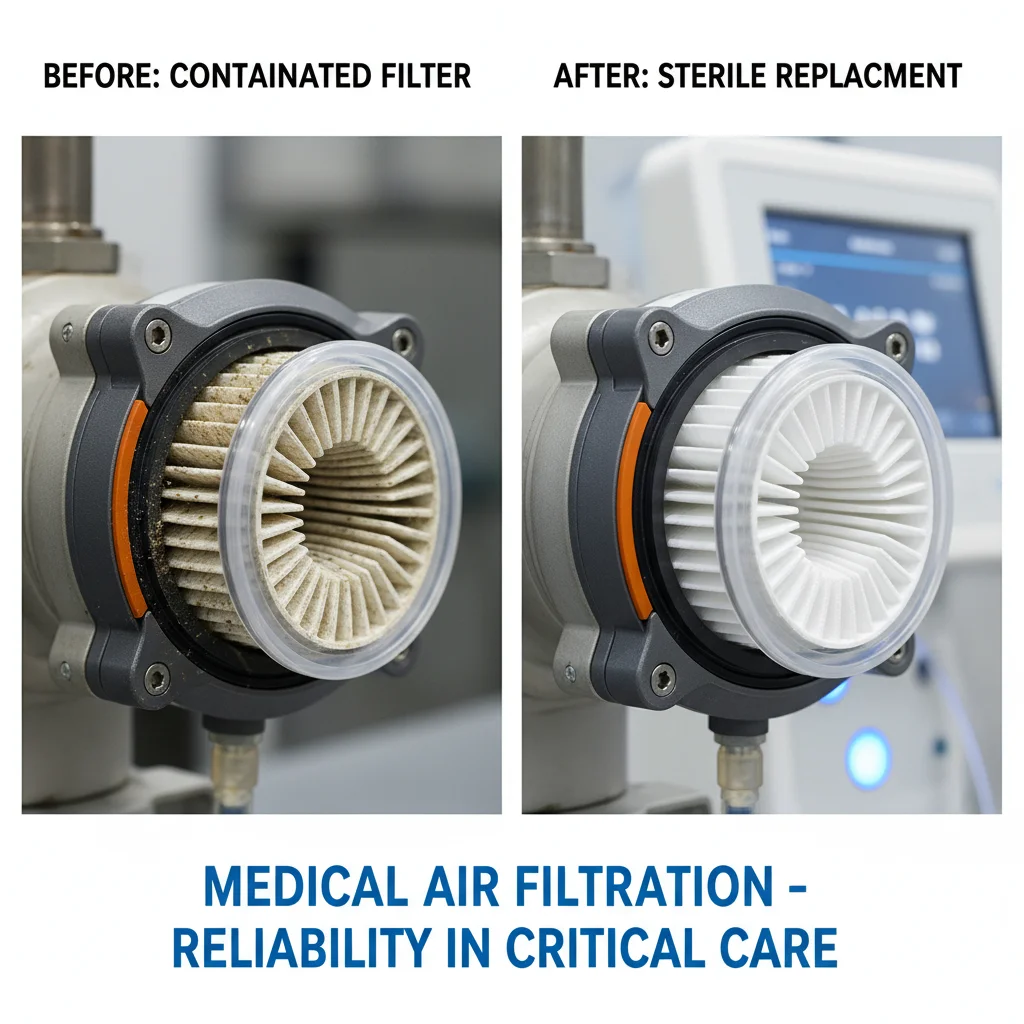
Medical air filtration isn't just a technical detail; it’s about safeguarding lives and maintaining a sterile environment where healing can truly happen. From operating rooms to intensive care units, and increasingly in areas like outpatient clinics and dental practices, clean air is paramount. We're talking about preventing healthcare-associated infections (HAIs), reducing airborne diseases, and providing a safe space for both patients and staff. It's a complex field, and frankly, the stakes are incredibly high. medical air filtration is continuously evolving, driven by advancements in technology and a growing understanding of microbial transmission.
Globally, the demand for sophisticated medical air filtration systems is surging, fueled by factors like aging populations, the rise of antibiotic-resistant bacteria, and an increased awareness of indoor air quality. According to the World Health Organization (WHO), HAIs affect millions of patients each year, and improved air quality is a key component in reducing these numbers. ISO standards for cleanrooms and healthcare facilities are becoming more stringent, pushing manufacturers and healthcare providers to invest in better filtration solutions. This isn’t a regional issue – it impacts hospitals and clinics in developing countries just as much as those in the most advanced nations.
Simply put, medical air filtration is the process of removing airborne contaminants—dust, bacteria, viruses, fungi, and other particulate matter—from the air within healthcare facilities. It goes beyond basic ventilation; it requires specialized systems designed to capture and eliminate these pollutants, maintaining a controlled environment. It’s about creating a barrier between potentially harmful microorganisms and vulnerable patients. This isn’t a luxury; it’s fundamentally linked to modern healthcare practices and humanitarian needs, particularly in disaster relief situations and field hospitals.
The Importance of Medical Air Filtration
Look, I’ve spent years walking through hospitals, and you quickly realize the air isn't just…air. It's a carrier, a vector for everything from the common cold to life-threatening pathogens. Effective medical air filtration isn't a cost center; it's a foundational element of patient safety and infection control. It minimizes the risk of post-operative infections, protects immunocompromised patients, and ultimately contributes to better patient outcomes. We're talking about real people, real lives.
And it's not just about hospitals, either. Dental offices, pharmacies, even ambulatory surgical centers - they all need to consider air quality. The increasing focus on preventative care means more procedures are being done outside traditional hospital settings, which necessitates robust air filtration solutions in these environments as well. It’s a trend we’re seeing consistently across the board.
Global Relevance and Industry Context
The global medical air filtration market is substantial and rapidly growing. Reports indicate a multi-billion dollar industry, projected to expand significantly in the next decade. This growth is driven by stricter regulations, increased healthcare spending in emerging economies, and a heightened awareness of the importance of indoor air quality following events like the COVID-19 pandemic. Countries like China, India, and Brazil are seeing massive investments in healthcare infrastructure, creating significant demand for advanced air filtration technologies.
The industry is also heavily influenced by organizations like ASHRAE (American Society of Heating, Refrigerating and Air-Conditioning Engineers) and the CDC (Centers for Disease Control and Prevention) who publish guidelines and recommendations for healthcare ventilation and filtration. Compliance with these standards is essential for hospitals and clinics to maintain accreditation and ensure patient safety. These guidelines aren’t static; they’re constantly evolving as we learn more about airborne pathogens and infection control.
The challenge we face is ensuring that these technologies are accessible and affordable, especially in resource-limited settings. Simply implementing the most expensive, cutting-edge system isn't always feasible or practical. We need to find cost-effective solutions that deliver reliable performance and meet the specific needs of each healthcare facility.
Defining Medical Air Filtration
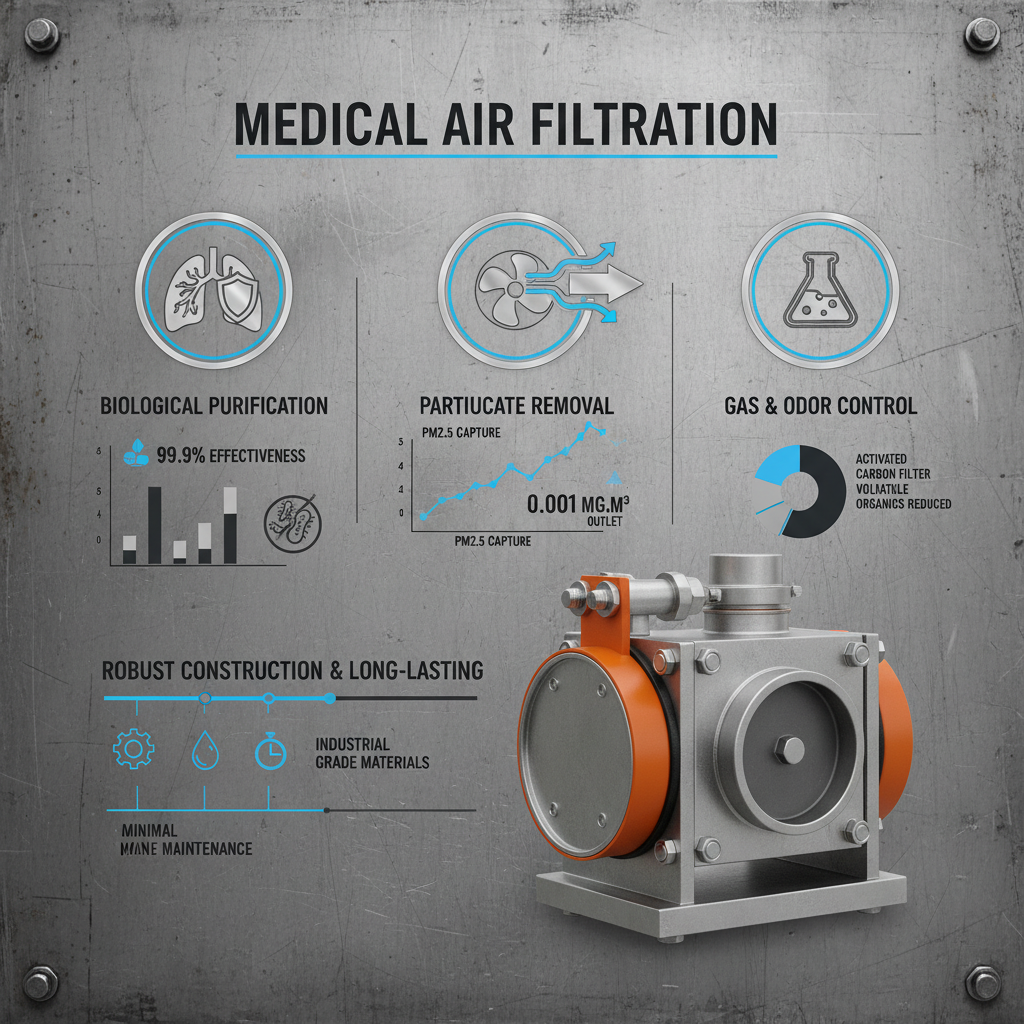
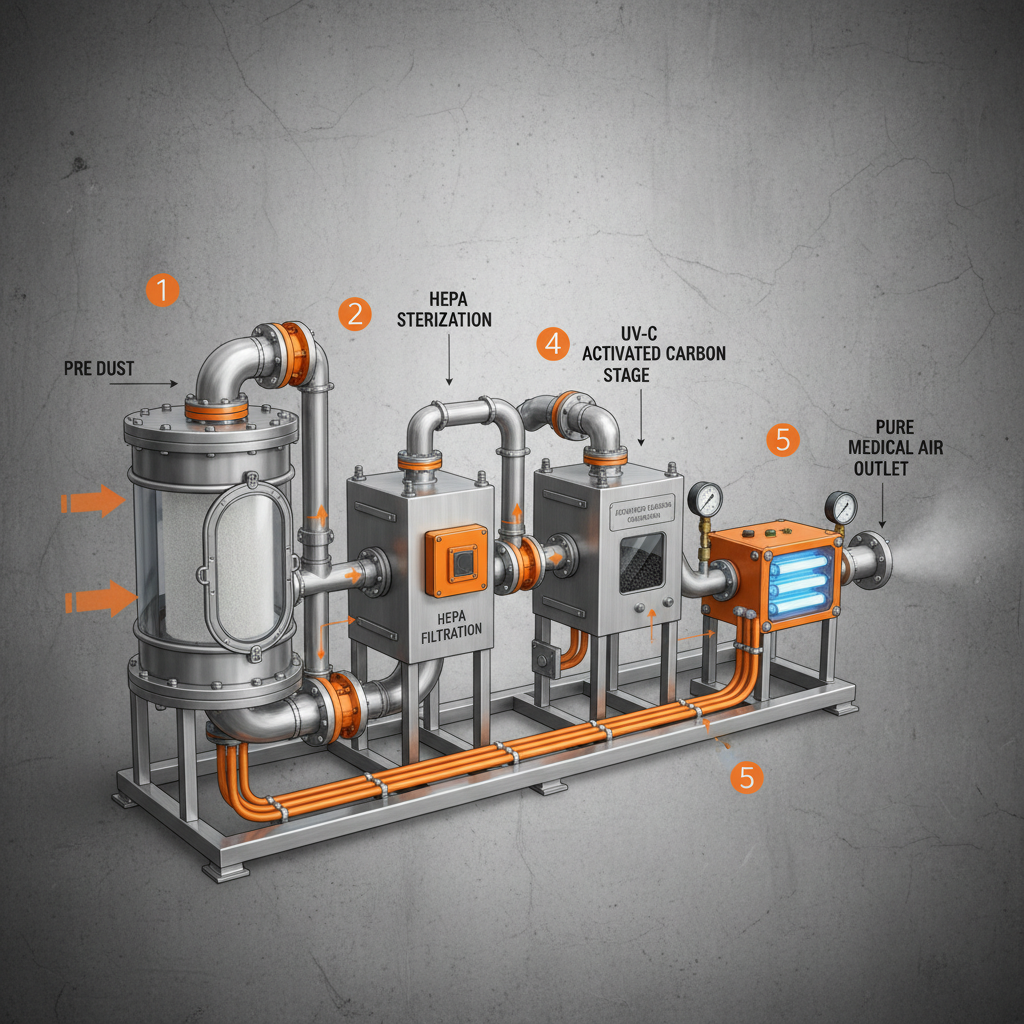
At its core, medical air filtration is the process of removing airborne particles and microorganisms from the air in healthcare settings. This differs significantly from standard HVAC systems, which are primarily designed for temperature control and ventilation. Medical air filtration systems utilize specialized filters, often HEPA (High-Efficiency Particulate Air) filters, capable of capturing 99.97% of particles 0.3 microns in size.
It's not just about filtering the air once. Most healthcare facilities employ multi-stage filtration systems, incorporating pre-filters to remove larger particles, HEPA filters for fine particulate matter, and potentially even activated carbon filters to remove odors and volatile organic compounds. Maintaining the integrity of these filters and the overall system is critical. A compromised filter is, essentially, no filter at all.
This ties directly into the broader field of infection prevention and control. Effective medical air filtration is a key component of a comprehensive strategy to minimize the spread of healthcare-associated infections, safeguarding both patients and healthcare workers. It's a preventative measure that pays dividends in terms of reduced morbidity, mortality, and healthcare costs.
Key Factors in Medical Air Filtration Systems
Let's get down to brass tacks. When evaluating a medical air filtration system, several factors are crucial. First, Filter Efficiency is paramount. You need to know the MERV (Minimum Efficiency Reporting Value) rating and ensure it meets the specific requirements of the application. Second, Airflow Rate is critical – the system must be able to adequately circulate and filter the air in the space. Insufficient airflow renders the filtration ineffective.
Third, System Maintenance is often overlooked but vitally important. Regular filter changes and system inspections are essential to maintain optimal performance. A poorly maintained system can actually increase the risk of contamination. Fourth, Noise Levels can be a concern, especially in patient rooms. Quieter systems contribute to a more comfortable and healing environment. Finally, Energy Efficiency – modern systems should be designed to minimize energy consumption and reduce operating costs.
Medical Air Filtration System Component Performance
Applications and Use Cases Worldwide
The applications for medical air filtration are broad. We're talking operating rooms, naturally, where maintaining a sterile field is paramount. But it extends to intensive care units, pulmonary function labs, isolation rooms for patients with infectious diseases, and even dental operatories. Beyond traditional healthcare settings, it’s becoming increasingly important in pharmaceutical manufacturing facilities and research laboratories.
In post-disaster relief operations, portable air filtration units are crucial for providing clean air in temporary medical facilities. In remote industrial zones with limited access to clean air, specialized filtration systems can protect workers from exposure to hazardous airborne particles. The demand is truly global, ranging from sophisticated hospital systems in North America and Europe to smaller clinics and field hospitals in developing countries.
Advantages and Long-Term Value
The benefits of investing in effective medical air filtration are substantial. Tangible advantages include reduced HAIs, lower healthcare costs associated with treating infections, and improved patient outcomes. But it's also about creating a safer and more comfortable environment for healthcare workers, reducing their risk of exposure to airborne pathogens.
From a broader perspective, it enhances the reputation of healthcare facilities, builds trust with patients, and demonstrates a commitment to quality care. There’s a peace of mind that comes with knowing you’re doing everything possible to protect those in your care. That's an invaluable benefit.
Future Trends and Innovations
We’re seeing a lot of exciting developments in the field. One key trend is the integration of smart sensors and IoT (Internet of Things) technology to monitor air quality in real-time and optimize filtration performance. This allows for proactive maintenance and ensures the system is always operating at peak efficiency. Another area of innovation is the development of more sustainable and eco-friendly filtration materials.
There's also increasing research into advanced filtration technologies, such as photocatalytic oxidation (PCO) and ultraviolet germicidal irradiation (UVGI), which can effectively destroy airborne pathogens. The convergence of digital technologies and filtration systems will be a game-changer, allowing for greater control, efficiency, and responsiveness.
Looking ahead, expect to see more emphasis on personalized air filtration solutions tailored to the specific needs of different healthcare settings. This will require a more flexible and adaptable approach to system design and implementation.
Challenges and Solutions
Let’s be honest, it’s not all smooth sailing. One common challenge is the initial cost of implementing advanced air filtration systems. Healthcare facilities, especially those with limited budgets, may struggle to justify the investment. However, when you factor in the long-term cost savings associated with reduced HAIs and improved patient outcomes, the ROI becomes much clearer.
Another challenge is ensuring proper maintenance and filter replacement. It’s easy for these tasks to fall by the wayside, especially in busy healthcare environments. Solutions include implementing automated maintenance schedules, providing comprehensive training to staff, and utilizing remote monitoring systems to track filter performance.
Finally, there’s the challenge of addressing existing infrastructure limitations. Many older healthcare facilities weren’t designed to accommodate modern air filtration systems. This may require retrofitting existing HVAC systems or exploring alternative filtration solutions that can be integrated into existing infrastructure.
Core Challenges and Proposed Solutions in Medical Air Filtration
| Challenge |
Impact on Healthcare |
Proposed Solution |
Implementation Cost (1-10) |
| High Initial Investment |
Limits accessibility for smaller facilities |
Leasing programs, phased implementation |
6 |
| Insufficient Maintenance |
Reduced filter efficiency, increased infection risk |
Automated maintenance alerts, staff training |
4 |
| Aging Infrastructure |
Difficult integration of new systems |
Retrofit solutions, portable filtration units |
7 |
| Lack of Skilled Personnel |
Improper installation and operation |
Certified technician training programs |
5 |
| Filter Disposal Costs |
Environmental concerns, budgetary impact |
Recycling programs, sustainable filter materials |
3 |
| Monitoring System Accuracy |
False readings, ineffective adjustments |
Regular calibration, multi-sensor validation |
4 |
FAQS
HEPA filters are specifically designed to capture at least 99.97% of particles 0.3 microns in size, making them highly effective at removing airborne pathogens. Standard HVAC filters typically have lower efficiency ratings and are primarily intended to protect the HVAC system itself, not necessarily to provide medical-grade air purification. They capture larger particles like dust and pollen, but aren’t reliable for removing viruses or bacteria.
Filter replacement frequency depends on factors like air quality, system usage, and the type of filter. Generally, pre-filters should be replaced every 3-6 months, while HEPA filters typically have a lifespan of 6-12 months. However, it’s crucial to monitor filter pressure drop and replace filters when they become clogged, even if it's sooner than the recommended schedule. Ignoring this can compromise the system's effectiveness.
For surgical suites, airflow patterns are critical – you need positive pressure to prevent contaminants from entering. High filter efficiency is paramount, along with low noise levels to avoid disrupting the surgical procedure. The system must also be easily integrated with the existing HVAC infrastructure and meet all relevant regulatory requirements. Redundancy is also a good idea to ensure continuous operation.
UVGI can be a valuable supplemental technology, but it's generally not a direct replacement for HEPA filtration. UVGI uses ultraviolet light to kill microorganisms, but it requires sufficient contact time and doesn’t remove particulate matter. HEPA filters physically capture particles, providing a more comprehensive solution. Combining both technologies can offer enhanced air purification.
Compliance typically involves adhering to standards set by organizations like ASHRAE and the CDC. Regular system inspections, filter change documentation, and performance testing are essential. Engaging a qualified HVAC professional specializing in medical air filtration can help ensure your system meets all necessary requirements and is properly maintained.
Airflow is absolutely crucial. You need sufficient air changes per hour (ACH) to effectively circulate and filter the air in the space. Poor airflow can create stagnant zones where contaminants accumulate, reducing the effectiveness of the filtration system. Properly designed air distribution systems and regular airflow measurements are essential for optimal performance.
Conclusion
In conclusion, medical air filtration is an indispensable component of modern healthcare, playing a vital role in protecting patients and staff from airborne infections. From stringent filter efficiency to consistent maintenance and innovative technologies, a proactive approach to air quality is not merely a best practice, but a necessity. Investing in robust and well-maintained systems offers substantial long-term benefits, reducing healthcare costs and improving patient outcomes.
Looking ahead, continued innovation in filtration technology, coupled with a heightened awareness of indoor air quality, will drive further advancements in this critical field. Healthcare facilities should prioritize regular system evaluations, staff training, and the adoption of sustainable practices to ensure optimal air quality and a safer, healthier environment for all. For more information and expert solutions, visit our website: www.gyfsilicone.com.