Medical therapeutics air purifier filter systems are increasingly vital in maintaining sterile environments across various sectors, including healthcare, pharmaceuticals, and research facilities. The demand for highly efficient filtration is driven by growing concerns over airborne pathogens, particulate matter, and volatile organic compounds. These filters play a crucial role not only in preventing the spread of infection but also in safeguarding sensitive equipment and ensuring the integrity of research findings. Understanding the nuances of medical therapeutics air purifier filter technology is essential for professionals dedicated to creating safe and controlled environments.
Globally, the need for advanced air purification is escalating due to factors like increasing air pollution, the emergence of novel viruses, and the expansion of biotechnology industries. According to the World Health Organization (WHO), air pollution is responsible for millions of deaths annually, emphasizing the critical importance of clean air solutions. Moreover, stringent regulations in pharmaceutical manufacturing, such as those set by the FDA and EMA, require the use of HEPA filters and other advanced air purification systems.
The development and implementation of effective medical therapeutics air purifier filter technology represents a significant advancement in public health and industrial safety. These filters aren’t just about removing dust; they’re about protecting lives, preserving research, and enabling cutting-edge medical treatments. The ongoing evolution of filtration materials and techniques promises even greater efficiency and reliability in the future.
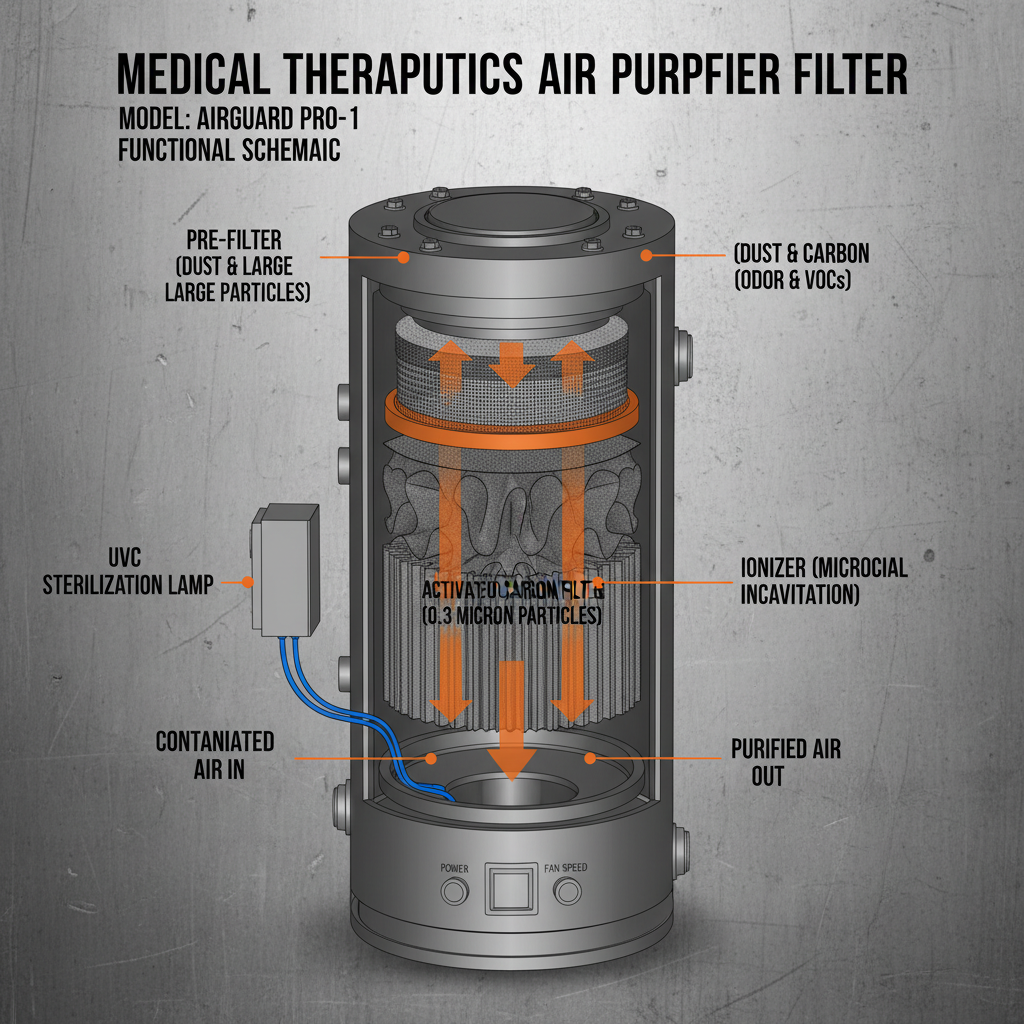
Introduction: Global or Industry Context
The global market for medical therapeutics air purifier filter systems is experiencing substantial growth, driven by increased healthcare spending, stricter air quality regulations, and a rising awareness of the impact of airborne contaminants on health. This demand is particularly pronounced in emerging economies where healthcare infrastructure is rapidly expanding. The United Nations Sustainable Development Goals (SDGs), particularly those related to health and well-being, further emphasize the need for accessible and effective air purification technologies.
Within the industry, a significant challenge lies in balancing filtration efficiency with energy consumption. Traditional high-efficiency particulate air (HEPA) filters, while highly effective, can require substantial energy to operate, increasing operational costs. Innovations in filter media and system design are focused on minimizing energy use without compromising performance. The growing focus on sustainability and environmental responsibility is pushing manufacturers to develop more eco-friendly solutions.
Definition & Meaning
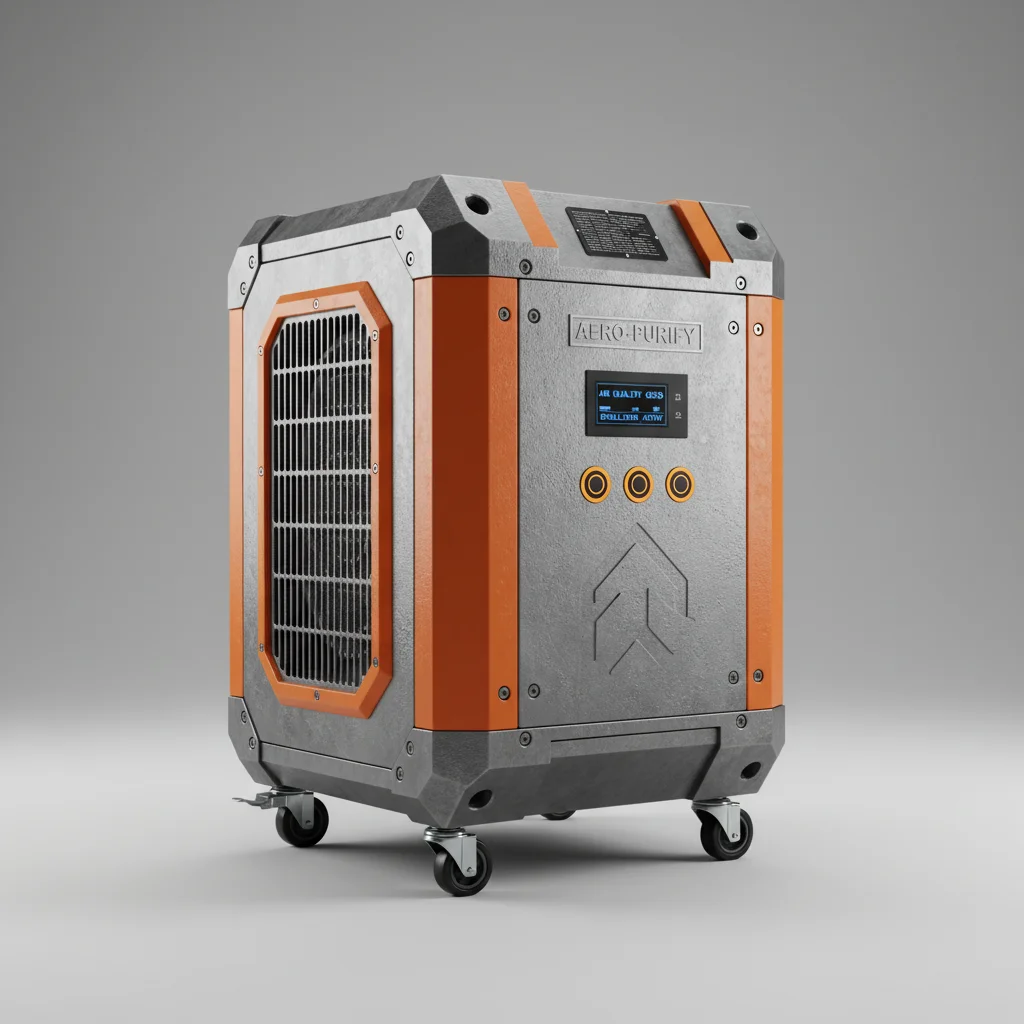
A medical therapeutics air purifier filter is a device designed to remove contaminants from the air, specifically within environments requiring a high degree of cleanliness and sterility. These contaminants can include dust, pollen, mold spores, bacteria, viruses, and volatile organic compounds (VOCs). Unlike standard air purifiers for residential use, medical-grade filters meet rigorous standards and are often certified to specific classifications like HEPA (High-Efficiency Particulate Air) or ULPA (Ultra-Low Penetration Air).
The connection to modern industry and humanitarian needs is direct. In healthcare, these filters are essential for operating rooms, isolation wards, and pharmaceutical manufacturing facilities, preventing the spread of infections and ensuring product quality. In humanitarian contexts, they can be deployed in field hospitals and disaster relief operations to provide clean air to vulnerable populations.
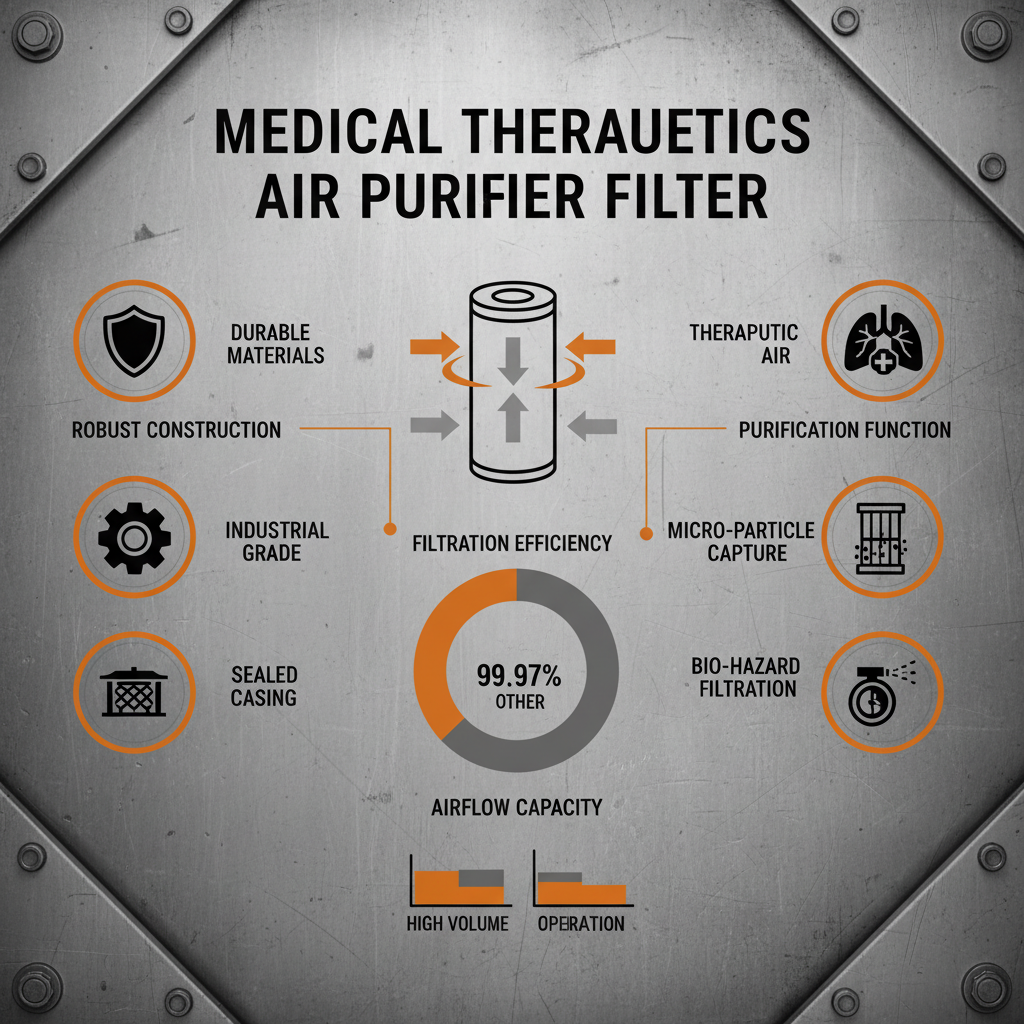
Understanding the difference between filter classes is key. HEPA filters are designed to capture at least 99.97% of particles 0.3 microns in size, while ULPA filters achieve even higher efficiency, removing 99.999% of particles of the same size. This level of purification is vital in applications where even trace amounts of contamination can have significant consequences, such as in semiconductor manufacturing or cancer treatment centers.
Key Factors or Core Components
Filtration Efficiency: This is the primary measure of a medical therapeutics air purifier filter’s performance, quantifying its ability to remove contaminants of various sizes. As mentioned previously, HEPA and ULPA filters represent different levels of efficiency, with ULPA offering the highest level of purification. Filtration efficiency is often tested according to standards set by organizations like ASHRAE.
Airflow Rate: The volume of air processed by the filter per unit of time significantly impacts its effectiveness. A higher airflow rate allows the filter to clean a larger space more quickly, but it can also increase energy consumption and noise levels. Optimal airflow rates are determined by the size of the space and the level of contamination.
Filter Media Material: The material used in the filter significantly affects its performance and lifespan. Common materials include fiberglass, polypropylene, and synthetic blends. The choice of material depends on the specific application and the types of contaminants being removed. Some filters incorporate activated carbon to remove odors and VOCs.
Filter Life & Replacement: Filters have a limited lifespan and need to be replaced regularly to maintain optimal performance. The lifespan depends on the level of contamination and the type of filter media. Regular monitoring and adherence to manufacturer recommendations are crucial.
Global Applications & Use Cases
Medical therapeutics air purifier filter systems are indispensable in hospitals and clinics, safeguarding patients and healthcare workers from airborne infections. They are deployed in operating rooms, intensive care units, and isolation wards to maintain sterile environments. Furthermore, they play a critical role in pharmaceutical manufacturing, ensuring the purity of drugs and preventing contamination during production.
Beyond healthcare, these filters are essential in biotechnology and research laboratories, protecting sensitive experiments from particulate matter and ensuring accurate results. In the semiconductor industry, ultra-clean air is vital for the fabrication of microchips, requiring the use of ULPA filters. In post-disaster relief operations, portable air purification units can provide clean air to affected communities, reducing the risk of respiratory illnesses.
In remote industrial zones where air quality may be compromised by manufacturing processes, medical-grade air filters can protect workers from harmful exposure to airborne contaminants. Organizations like the CDC and WHO recommend the use of these filters in situations where airborne disease transmission is a concern. medical therapeutics air purifier filter solutions are increasingly tailored to specific regional needs, considering local air quality challenges and regulatory requirements.
Medical Therapeutics Air Purifier Filter Performance Comparison
Advantages & Long-Term Value
The advantages of investing in high-quality medical therapeutics air purifier filter systems are multifaceted. From a cost perspective, preventing contamination can significantly reduce healthcare costs associated with infections and product recalls. Sustainability is enhanced through longer filter lifespans and reduced energy consumption in newer models. Socially, these filters contribute to improved public health and protect vulnerable populations.
The long-term value stems from the reliability and consistency of performance, minimizing downtime and ensuring a continuous supply of clean air. Building trust is also crucial – patients and staff feel safer in environments with demonstrably clean air, enhancing confidence in healthcare facilities. Innovation in filter technology continually improves efficiency and reduces operational expenses.
Future Trends & Innovations
The future of medical therapeutics air purifier filter technology is focused on several key areas. Nanomaterials are being explored to create filters with even higher efficiency and lower resistance to airflow. Smart filters equipped with sensors can monitor air quality in real-time and automatically adjust filtration levels. Digital transformation and IoT integration allow for remote monitoring and predictive maintenance.
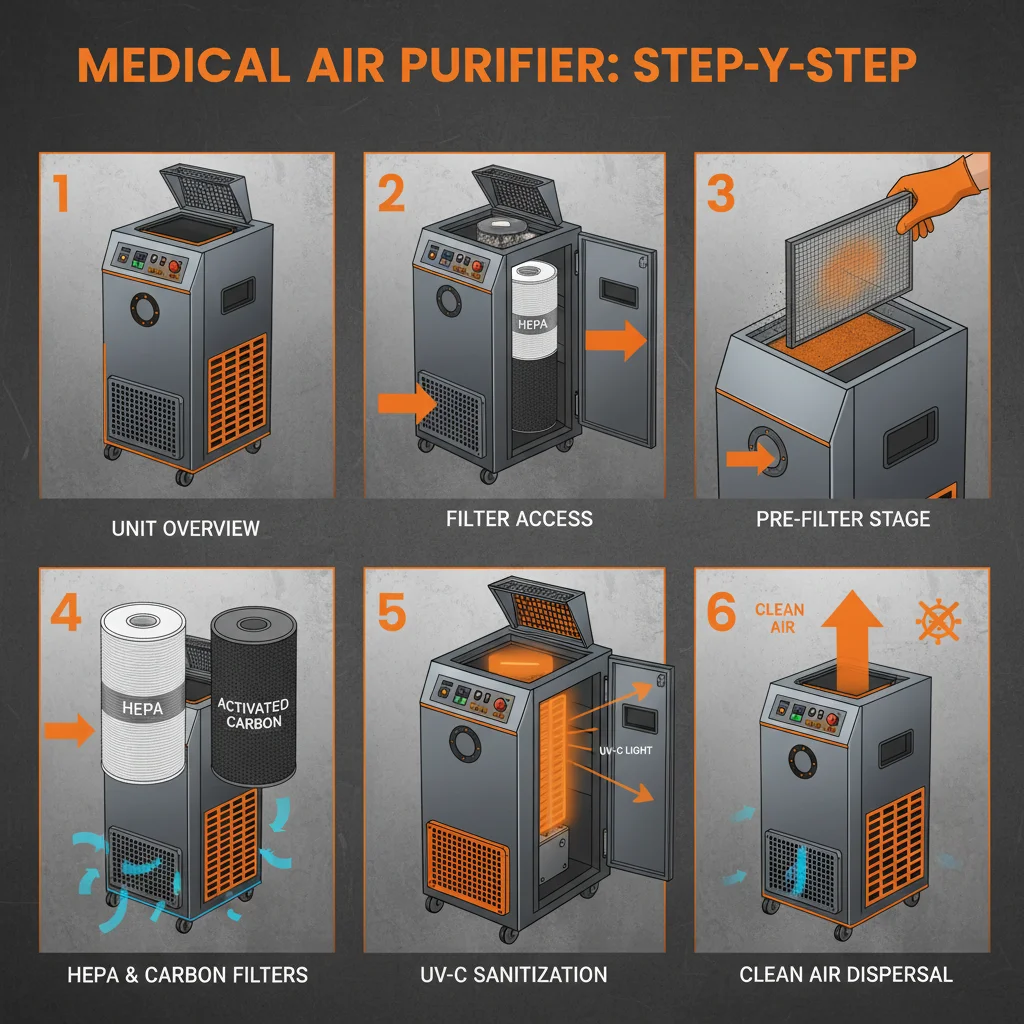
Advancements in green energy-powered filtration systems are aimed at reducing the carbon footprint of air purification. Furthermore, the development of biodegradable filter media is gaining traction, addressing sustainability concerns and minimizing waste. Research into advanced sterilization techniques, like UV-C irradiation, is being integrated with filtration systems to provide even greater levels of contamination control.
Challenges & Solutions
A common challenge is the cost of high-efficiency filters and their replacement, particularly for smaller healthcare facilities and resource-limited settings. Solutions include exploring alternative filter materials that offer comparable performance at lower costs and implementing filter recycling programs. Another issue is the potential for filter clogging, reducing airflow and efficiency.
To address this, pre-filters can be used to remove larger particles, extending the lifespan of the main filter. Developing filters with self-cleaning capabilities is also an area of active research. Ensuring proper installation and maintenance is crucial – regular inspections and adherence to manufacturer guidelines can prevent performance issues and maximize filter life.
Expert insights suggest that a holistic approach to air quality management, encompassing ventilation, filtration, and disinfection, is the most effective way to create safe and healthy indoor environments. medical therapeutics air purifier filter manufacturers are collaborating with healthcare professionals and researchers to develop tailored solutions that meet the evolving needs of the industry.
Summary Table of Challenges and Solutions in Medical Therapeutics Air Purifier Filter Implementation
| Challenge |
Impact |
Proposed Solution |
Implementation Cost (1-10) |
| High Filter Costs |
Budget Constraints for Facilities |
Explore Alternative Materials, Filter Recycling Programs |
4 |
| Filter Clogging |
Reduced Airflow, Decreased Efficiency |
Use Pre-Filters, Develop Self-Cleaning Filters |
6 |
| Improper Installation |
Compromised Filtration Performance |
Certified Technician Installation, Training Programs |
5 |
| Lack of Monitoring |
Unaware of Filter Saturation |
Implement Real-Time Monitoring Systems |
7 |
| Energy Consumption |
High Operational Costs |
Develop Energy-Efficient Filters |
3 |
| Regulatory Compliance |
Risk of Fines, Operational Shutdown |
Regular Audits, Updated Documentation |
8 |
FAQS
HEPA (High-Efficiency Particulate Air) filters capture at least 99.97% of particles 0.3 microns in size, while ULPA (Ultra-Low Penetration Air) filters are even more efficient, removing 99.999% of particles of the same size. ULPA filters are crucial for applications requiring extremely high levels of purity, such as semiconductor manufacturing or certain types of pharmaceutical production. HEPA filters are generally sufficient for most healthcare settings but ULPA provides an extra layer of protection.
Servicing frequency depends on the level of contamination and the manufacturer's recommendations, but typically, filters should be inspected at least every 6 months and replaced as needed. Regular maintenance includes checking airflow rates, inspecting filter media for damage, and cleaning the system components. Ignoring maintenance can lead to reduced efficiency and increased risk of contamination.
Costs vary significantly based on system size, filtration efficiency, and features. Initial investment includes the cost of the air purifier unit and installation. Ongoing costs include filter replacements, energy consumption, and maintenance. A comprehensive cost analysis should consider the long-term benefits of reduced infection rates and improved product quality.
Ensure the system is certified to relevant standards, such as HEPA or ULPA. Maintain detailed records of filter replacements and maintenance activities. Consult with a qualified air quality professional to verify compliance with local and national regulations, particularly in healthcare or pharmaceutical settings.
Some manufacturers offer filter recycling programs. Alternatively, explore options for reusing filter media in non-critical applications or partnering with waste management companies that specialize in handling hazardous materials. Choosing filters made from biodegradable materials can also reduce environmental impact.
Pre-filters capture larger particles like dust and pollen, extending the lifespan of the more expensive HEPA or ULPA filters. They protect the main filter from premature clogging, maintaining optimal airflow and efficiency. Regularly replacing pre-filters is a cost-effective way to improve system performance and reduce long-term maintenance costs.
Conclusion
In conclusion, medical therapeutics air purifier filter systems are an indispensable component of modern healthcare, research, and industrial environments. Their ability to remove airborne contaminants safeguards human health, protects sensitive processes, and ensures regulatory compliance. From HEPA to ULPA filters and the emergence of innovative technologies, the evolution of this field is constantly improving performance and sustainability.
Looking ahead, continued investment in research and development is crucial to address emerging challenges and unlock new possibilities. The integration of smart technologies, the development of eco-friendly filter materials, and the implementation of comprehensive air quality management strategies will drive the future of medical air purification. To learn more about advanced air filtration solutions, visit our website: www.gyfsilicone.com.